


- Please enable News ticker from the theme option Panel to display Post
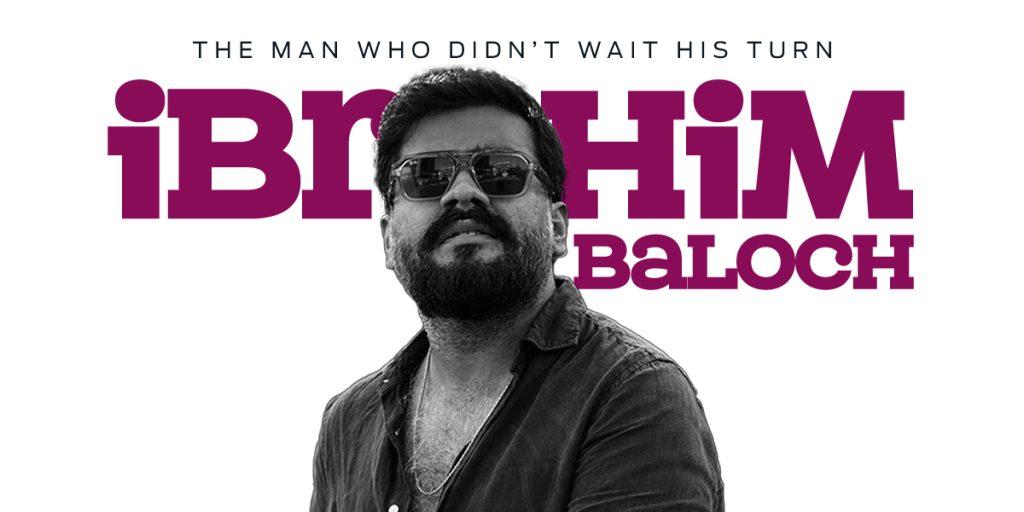
Today, I write about a man I never had the chance to meet. Everything I know about Ibrahim Baloch has been through people of the industry, the fragments of conversations, stories exchanged on sets, in edit rooms, in hushed industry corners where admiration and resentment often sit uncomfortably close…
What struck me most wasn’t the amount of praise after his passing, but how quickly the gossip transformed into reverence. The same whispers that once questioned his methods, his speed, his audacity, his connections were suddenly replaced with awe.
Death has a strange way of unfolding our true side, doesn’t it? It removes the noise and leaves behind only what matters or maybe what we’re finally willing to admit to.
But what is the truth of a man like Ibrahim Baloch?
To understand who Ibrahim really was, I spoke to the people who stood closest to him — his brother, Abdul baloch, his childhood friend Shuja, and his office collegue Sammi. What follows is not a tribute. It is an attempt to investigate a life that left an imprint too deep to ignore.
THE NOISE AROUND HIM
Before there was legacy, there was discomfort. Ibrahim Baloch was considered a threat by many. Some claimed he was able to get work because he was affiliated with an agency which gave him an unfair advantage. Others suggested his rise was too fast to be organic, too ambitious to be trusted. In an industry that moves on hierarchy and permission and surrender, Ibrahim moved purely on hunger.
He did not wait his turn.
And that unsettled people. The people who liked playing safe, liked to bend and maybe also love mediocrity?
There were murmurs about his temperament, that he was demanding on set, uncompromising in the edit, unwilling to bend for convenience. But rarely did anyone deny his output. The work spoke loudly, even when the industry preferred silence.
Which raises a question we never asked out loud while he was here.
Would an agency like Adcom, not known for having any verticals, partner with a 25 year old to get more work from clients or did they see something else in him that no one could?
Talent. Vision. And an appetite to build something bigger than himself.
Before the Industry Knew Him
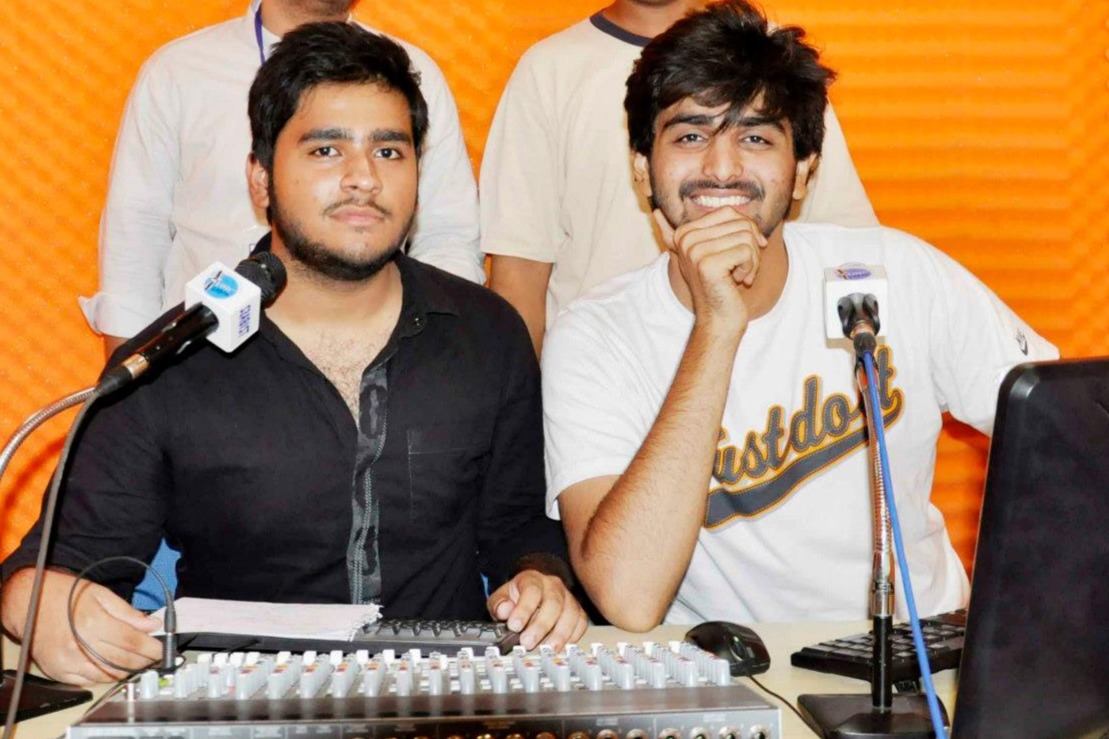
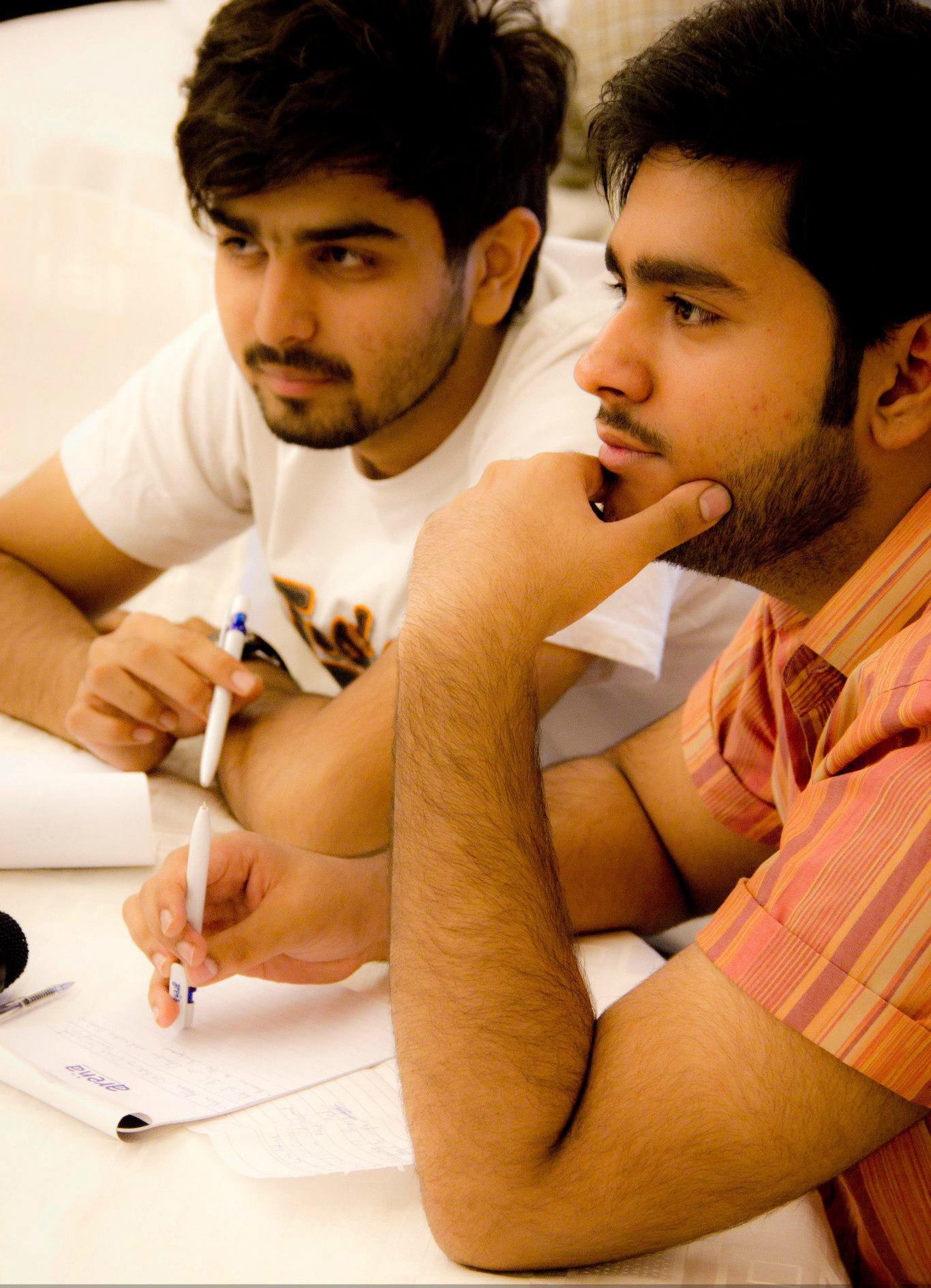
Shuja, Ibrahim’s childhood friend, remembers him first not as a director, but as a presence. They met in 1997 at Sandra Montessori. Ibrahim, IB, as everyone called him was a year older, sharp, social, unmistakably alert even as a child. They grew up together at BVS Parsi High School, a decade of shared classrooms, tuition centers, scoldings, and early signs of difference. At tuition in Parsi Colony, Shuja was the dreamer lost in comics and imagination. Ibrahim was quick-witted, especially with numbers, instinctively knowing how to navigate authority and temper. Even then, he understood systems and how to move through them without losing himself. When they reunited years later at SZABIST, something clicked. Standing by the cafeteria, Ibrahim looked at Shuja with the quiet recognition of someone who had found a witness to his past. A reminder of who he was before ambition complicated everything. Yet Ibrahim never fully belonged to the social ecosystem of SZABIST. He disliked cliques, distrusted pretension, and gravitated instead toward people who were grounded, uncomplicated, free of duniya-daari. At the same time, he enrolled in one of the most competitive business programs in the country learning how power worked while refusing to become consumed by it. He lived in contradiction. And he was comfortable there.
Learning to Direct Before He Ever Did
Long before he stepped behind a commercial camera, Ibrahim was directing in fragments. He grew up on old Bollywood, loved music by Rafi, Kishore Kumar, stories that were theatrical yet deeply human. He loved emotion, scale, and innocence living side by side. But direction didn’t feel like an option. No family ties to entertainment. No roadmap. It wasn’t until Shuja pursued film at SZABIST that Ibrahim saw possibility. Later, while working at Saatchi & Saatchi, he began visiting commercial sets
During lunch breaks, he would visit Shuja’s home studio, play Bollywood songs, and recreate scenes shot by shot. They were play sessions but also rehearsals for a future he hadn’t yet claimed. By 2019, Ibrahim was certain. He believed, quietly but firmly that he could tell better stories than what he was seeing around him. But he wanted preparation, not shortcuts.That took him to the New York Film Academy. COVID cut that chapter short, forcing him to Austin instead. What could have discouraged him only sharpened his resolve. According to Shuja, Ibrahim felt robbed and he responded the only way he knew how.
By coming back with vengeance.
Proof, Not Promise
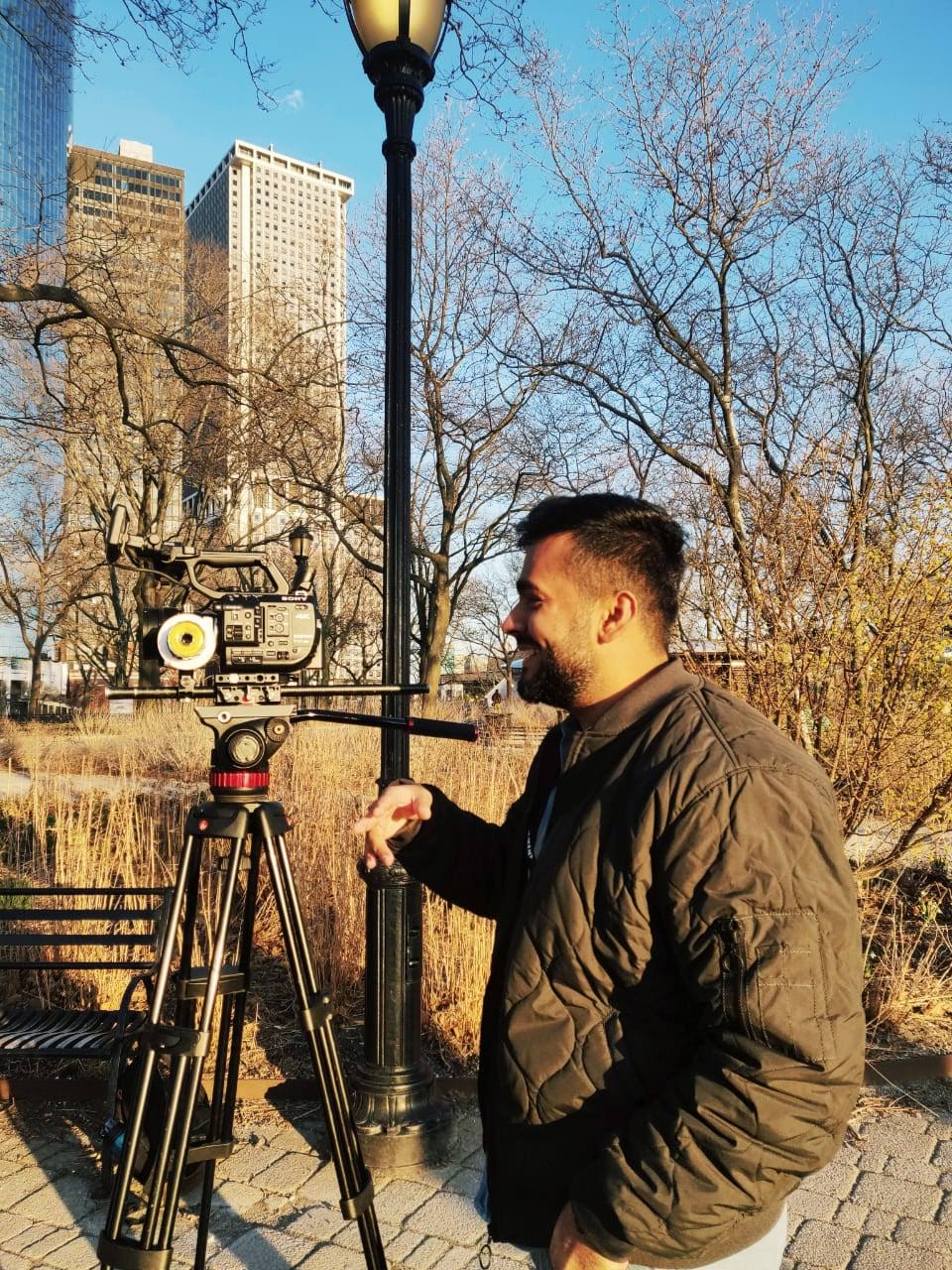
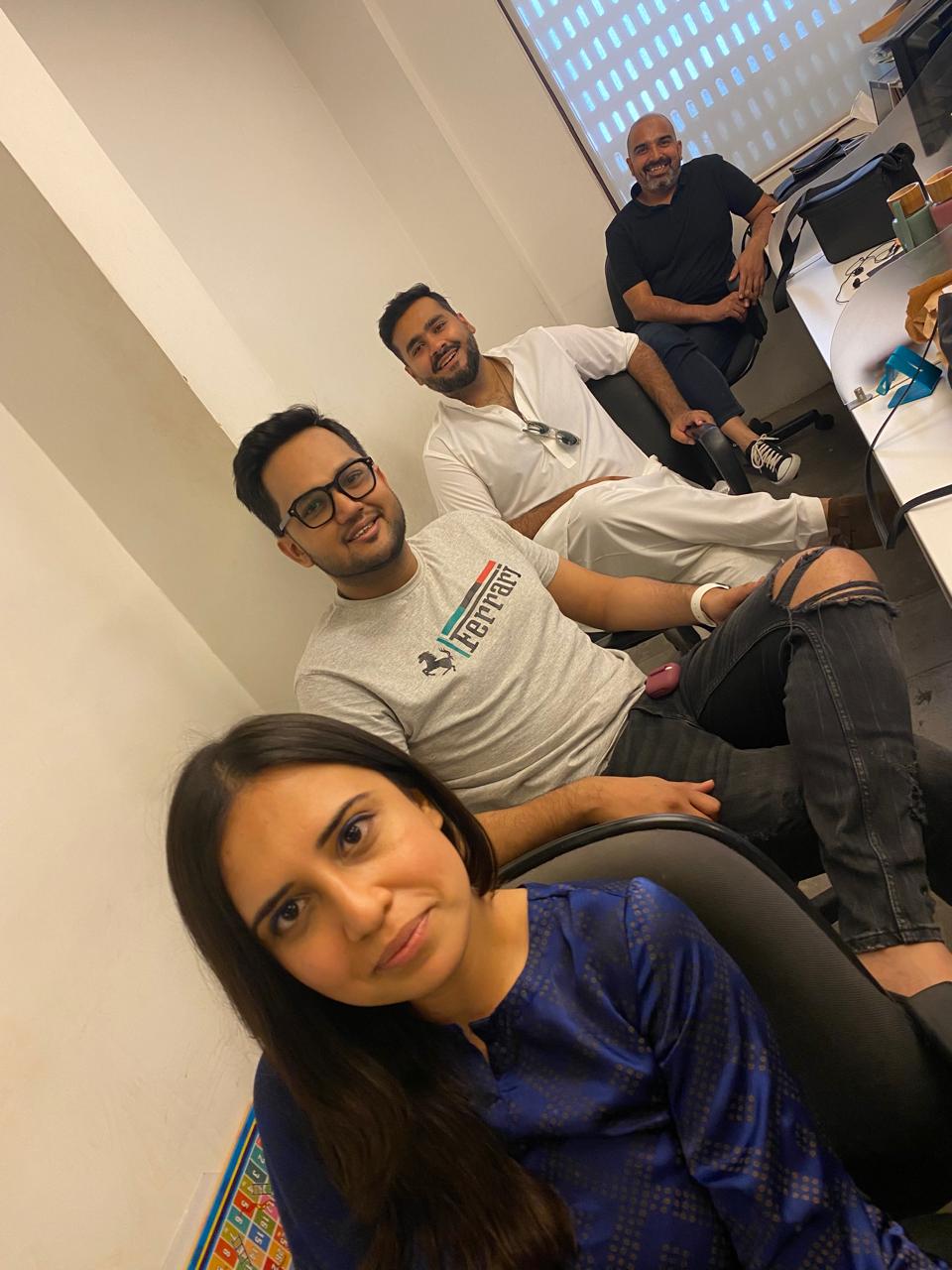
When Ibrahim returned to Karachi, he invested his own savings into making the Ariel Eid-ul-Fitr commercial in 2020. It wasn’t cautious. It wasn’t safe. It worked. From there, momentum took over, Commercial after commercial. The confidence to leave Adcom. The courage to build Will n Way in 2022 with his trusted peers. In a matter of years, Ibrahim became impossible to ignore. Shuja says. “ I was lucky enough to work with him as a writer on the short film Article 370 and later on in Pakistan’s first ever live action webseries for PUBG” Sammi, who joined Adcom with Ibrahim the same age, but reporting to him describes that period as rare and difficult. Being led by someone still discovering himself was not easy. Ibrahim was instinctive where others were structured. Deadlines, to him, weren’t rigid rules they were promises. And once he committed, he delivered. Almost always.
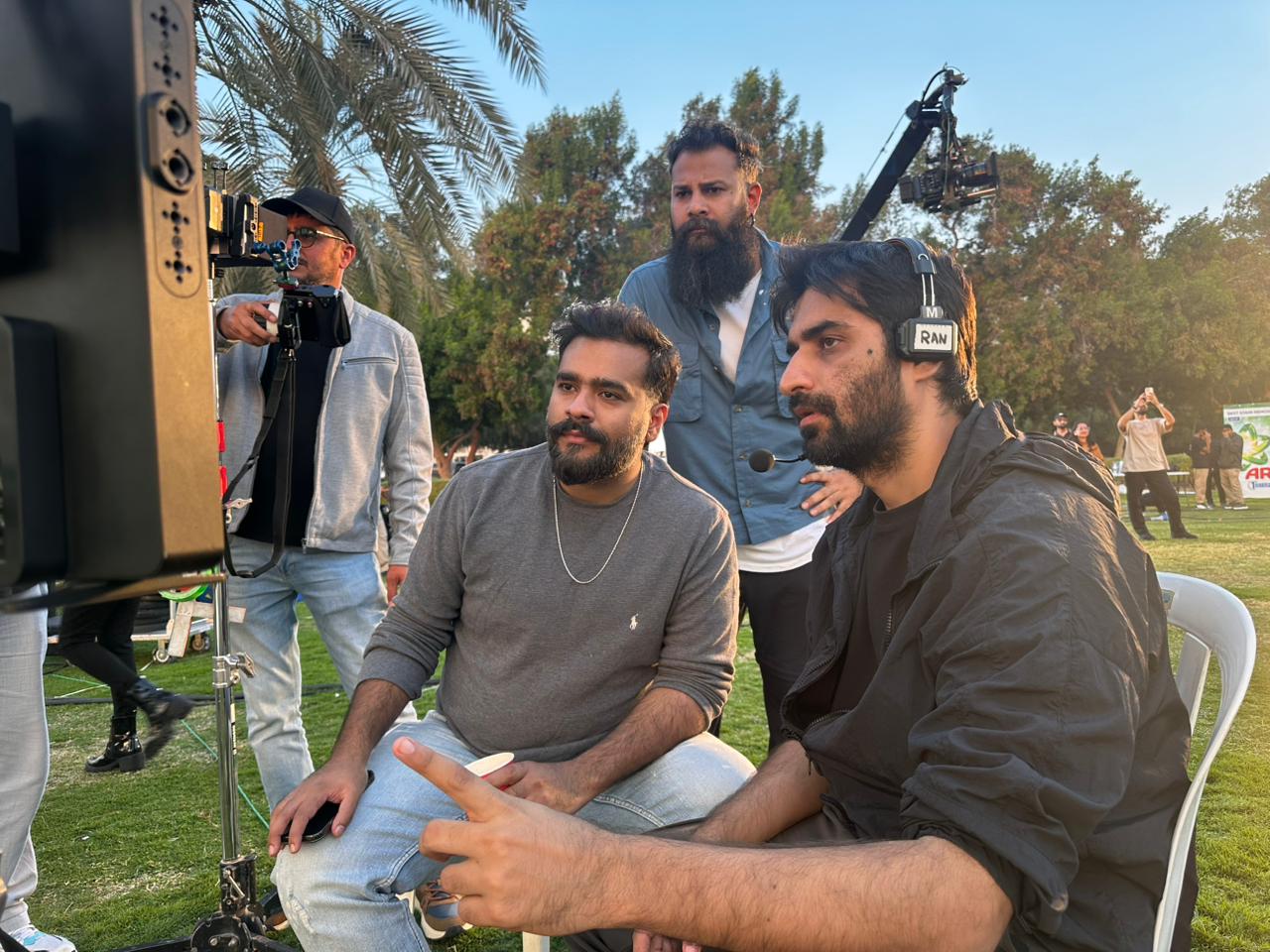
He overcommitted. Often. And somehow, still made it work. Sammi describes Ibrahim’s mentorship as rough, real, and effective. He didn’t hand people ladders. He threw them into deep water and trusted they’d swim. He challenged with blunt honesty “apse nahi hoga” not to diminish, but to provoke growth.On set, he was unmistakably in his element. Alive. Certain. Electric.
His voice still echoes:
“Isme chas nahi aa rahi.”
“Hum bohat acha karein ge.”says sammi.
The Making of a Threat
The industry would later accuse Ibrahim Of being too fast. Too ambitious. Too present. But what many failed to recognize was that Ibrahim didn’t chase disruption, disruption followed him because he refused to wait. At Adcom, and later as a director, he moved seamlessly between the corporate and creative worlds. According to Shuja, what made him formidable was not rebellion, but control: the ability to navigate cutthroat systems on his own terms.
The truth is, Ibrahim Baloch didn’t break rules. He exposed how arbitrary they were.He blurred the lines between agency and director, between youth and authority, between ambition and permission. And in doing so, he forced an industry built on seniority to confront a younger, faster mirror. Where director’s would argue, whether they should give a treatment note or not, according to Ali rizvi, Ibrahim was always ready, he wouldn’t wait for the client to ask for a treatment note, or us to tell him what the film needed, he would always come with clarity and tell the client how the film would look and gain their trust in the most initial stages of the breifings, Which definetly gave him an edge above all others and rightly so.
He never disowned where he came from. Proud of his Baloch origins, he groomed himself professionally without surrendering to the gloss of the industry. He remained, as Shuja puts it, a “comfortable outsider.” He didn’t become one of them. They had to become a little bit like him.
That groundedness rare in peers chasing validation became magnetic. People trusted him. Clients followed him. Teams believed in him.
And belief, in this industry, is dangerous currency.
The Man the Industry Didn’t See
At home, Ibrahim was softer.
His brother fourteen years older, more father than sibling describes him as introverted, deeply family-oriented, obedient, and quietly generous. A man who never said no to his parents. Who relaxed at home with his mother, sharing ghupshup between films and series. He loved food. Music. His nieces and nephews, Maham and Shahzain, whom he adored without restraint. When he traveled aborad, he always returned with gifts.
His generosity was deliberate. If he saw someone in need while dining out, he wouldn’t give leftovers. He ordered fresh food, packed it, and gave it with dignity.as quoted by his brother, One line guided him: Kisi dardmand ke kaam aa. Kisi doobte ko uchaal de.
He believed work should make life easier for people. Asaani paida karo.
Behind the thick mustache and commanding presence was, as Shuja recalls, a softie. Innocent. Emotionally available. A man whose confidence made others feel safe.
“With IB,” Shuja says, “you felt like — he’ll take care of it.” That confidence is what everyone misses most.
What Remains
On January 22, 2025, a friend didn’t just die. An era did says Shuja. Ibrahim Baloch reached the pinnacle of his career in a short span not because he was lucky, but because he was precise. Allah was kind to him, his brother says, but Ibrahim was relentless. Even now, a year later, his name circulates in rooms he once commanded. After his loss, the question isn’t whether Ibrahim Baloch mattered. It’s why we waited so long to say it out loud. His success wasn’t threatening because it was unfair.
It was threatening because it was earned and that is harder to forgive…
I say this as someone who never met him, and who wishes deeply that I had. But someones absence and loss has a way of clarifying impact. Ibrahim left behind more than films. He left behind a standard. The standards that Clients will continue to reference him.
Directors will continue to chase the kind of work he normalized. And younger filmmakers will continue to benefit from doors he pushed open.
Some people leave behind films. Others leave behind permission.Ibrahim left behind both. As his brother quotes:
“Bichra kuch is ada se ke rut badal gayi,
Ek shakhs saare sheher ko veeran kar gaya.”
And perhaps that is the truest investigation of all.
Remembering Ibrahim, with some of his best work below:
Kaante Na Lagao – A public service message by Centre for Human Rights.
Peek Freans Sooper – Milti hai Qadam Qadam Par – Seedhi Saadi Khushi Hai Sooper
FAST CABLES TVC – Siblings