

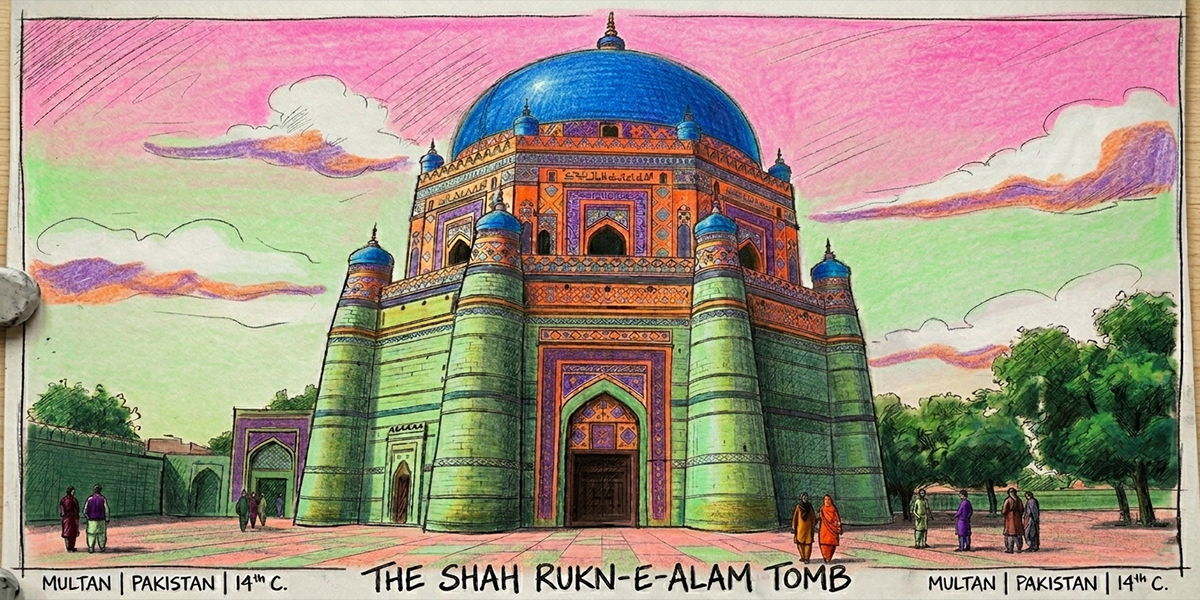
I did not go there to learn marketing. I went there like most people do, quietly and respectfully, carrying a sense of curiosity, belief, and perhaps a search for something deeper. But somewhere between the rose petals, the pigeons, and the whispered duas, I realized I was standing inside one of the most powerful, unspoken examples of brand positioning I have ever experienced.
The Experience Begins Before the Offering
Before anyone even speaks to you, the environment has already begun its work. The lighting is soft and almost otherworldly, creating a sense of calm and mysticism. The sound of soulful Sufi music fills the air, not loudly, but enough to shift your state of mind. The space feels different from the outside world, almost as if you have stepped into something sacred and removed from reality.
Custodians, Not Sellers
And then there are the people. The majawars, dressed in green kurtas, adorned with silver jewelry, moved with a certain quiet confidence and authority. They do not appear as sellers. They appear as custodians of a spiritual experience. And that distinction changes everything.
Not Products, But Meaning
What fascinated me most was that nothing here is sold as a product. Everything is sold as meaning. A man approaches you with rose petals, but he does not ask you to buy them. Instead, he says, “You have not come here yourself. You have been called.” In that moment, the entire context shifts. Your visit is no longer casual; it becomes intentional, almost divinely orchestrated. The petals are no longer just flowers. They become a way to honor that calling, to complete your presence at the shrine.
Ordinary Objects, Extraordinary Significance
Then come others, offering bird feed for the pigeons, telling you that feeding them will help your prayers be heard sooner. Another offers red and green chadars, asking you to place them at the shrine and make a wish, promising that your dua will be accepted. Each item is simple, even ordinary, in isolation. But within this environment, each is positioned as a bridge between you and something you deeply desire. Hope, relief, healing, or answers.
Understanding the Audience Without Data
What struck me most was how clearly they understand their audience. Without any formal training, without market research reports or brand strategy documents, they know exactly who they are speaking to. They know that most people who come here are not tourists. They come with something heavy on their hearts. They come with hope, with pain, with questions, and often with a sense of urgency. And because they understand this, every word, every offering, and every interaction is aligned with that emotional state.
There is no aggressive selling. There is no visible persuasion. Instead, there is emotional alignment. You do not feel like you are being sold to. You feel like you are being guided, almost gently nudged toward actions that feel meaningful in that moment. That is what makes it powerful. The strategy is not transactional, it is emotional.
At the same time, the experience is layered. There is faith, there is belief, and there is also a certain discomfort. Not everyone who comes there fully understands why they are there. Some follow traditions they have inherited without question. Some act out of fear, some out of hope, and some simply because they see others doing the same. In that space, belief and business begin to overlap in complex ways. It makes you pause and reflect on how easily emotion can be shaped when people are in vulnerable states.
But step back from the emotion, and there is a lesson here that most brands spend years trying to learn. These men, without formal education in marketing, have mastered the core of brand positioning. They know exactly who their audience is, what that audience feels, what they are seeking, and how to present an offering that fits seamlessly into that emotional need. They are not selling items. They are positioning experiences and outcomes within a belief system.
Most brands communicate by saying, “This is what we sell.” But the real shift happens when you start saying, “This is what this means for you.” At the shrine, meaning always comes first. The product comes later. And that is why it works.
I went there to offer fateha. I left with a reminder that applies far beyond business. People do not buy things. They buy what they believe those things will do for them. And if you understand that deeply enough, you do not need complicated strategies or jargon. You just need clarity, empathy, and the ability to meet people exactly where they are.