


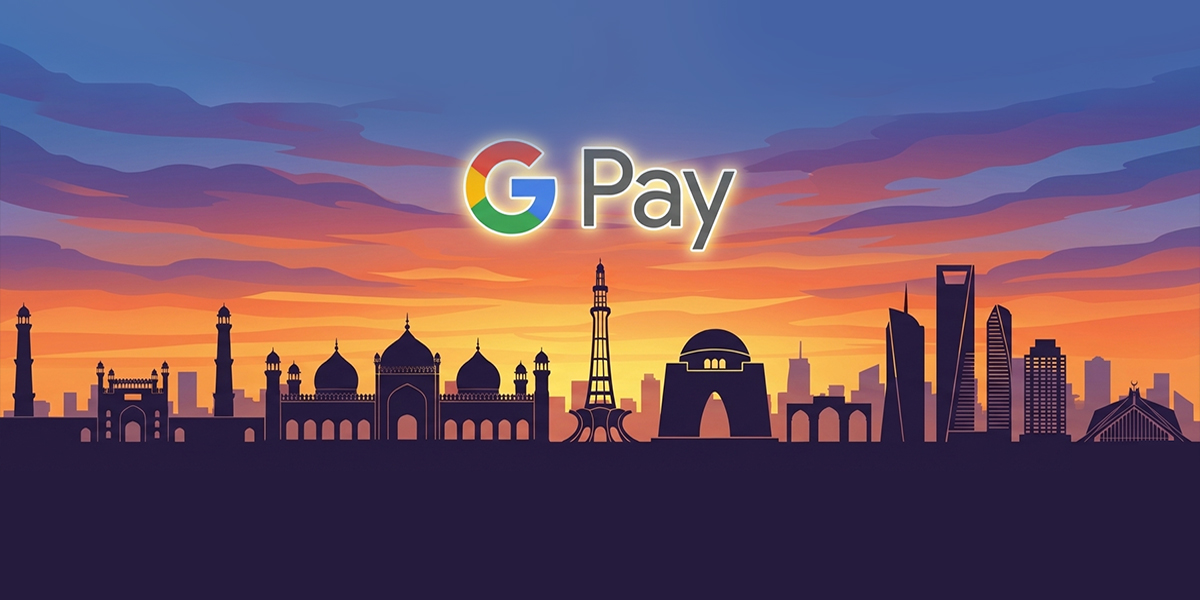
With Google Pay’s official launch in Pakistan, the focus has shifted from whether it will succeed to how far it can scale. While cash remains dominant and local wallets are well established, I believe Google Pay can succeed. This is not due to a decline in cash usage or weakness among local wallets, but because the market has evolved and Google Pay’s strengths now align with changing consumer habits.
Pakistan’s Payment Reality Is Changing
Pakistan remains a cash-heavy economy. Anyone who steps into neighborhood stores, small eateries, or informal markets can see that physical currency still drives a large share of transactions. However, this visible reality often overshadows the deeper behavioral shift taking place, particularly in urban and affluent segments.
In recent years, digital financial activity has grown significantly. Consumers now pay bills, shop online, order food, book rides, subscribe to entertainment, and transfer funds digitally. Digital payments are becoming routine in many contexts. Google Pay enters a market where the shift to digital is already in progress, offering a more seamless experience that builds on existing behaviors.
Why Google Pay Enters at the Right Moment
Google Pay has a big advantage in Pakistan because most people use Android phones. Many already use Google services like Gmail, Maps, YouTube, and the Play Store every day. Adding payments to these familiar apps makes things easier for users. Instead of learning a new app, people can just use a platform they already know and trust.
Trust, in fact, is where Google Pay begins several steps ahead. Security concerns have historically slowed digital wallet adoption in Pakistan. Trust is a significant advantage for Google Pay. Security concerns have historically slowed digital wallet adoption in Pakistan, with users worried about fraud, failed transactions, and fund loss. Google Pay addresses these concerns with global tokenization standards, biometric authentication, and device-level encryption. For many, the Google brand provides reassurance that newer entrants cannot easily match Pakistan’s most fundamental friction, converting cash into digital value through agent networks and over-the-counter services. Google Pay does not operate in that space.
The Use Cases That Will Drive Adoption
Google Pay’s initial growth will likely come from card-linked and contactless payments. Although card penetration is not universal, it is significant and growing in urban areas. Contactless POS terminals are already available in supermarkets, fuel stations, pharmacies, and major retailers, where tap-to-pay offers intuitive speed and convenience.
E-commerce is another important area for growth. Online shopping in Pakistan has grown rapidly, but paying online remains difficult. Entering card details, security concerns, and slow checkouts make people abandon their purchases. Google Pay’s one-click, secure checkout can make things easier for shoppers and help merchants get more sales.
Looking ahead, integration with Pakistan’s instant payment infrastructure will be critical. It will be important for Google Pay to connect with Pakistan’s instant payment systems. As Raast grows across banks and fintech companies, different platforms will work together more easily. If Google Pay adds features like account-to-account transfers or QR payments using local systems, it could become useful for more types of payments, not just cards. Large retailers already support contactless payments, and QR ecosystems are growing. In Pakistan, merchants tend to adapt quickly once customer demand becomes visible. A payment method backed by a global brand like Google may accelerate that shift even faster.
A Complement, Not a Replacement
It is also important to frame Google Pay’s role correctly. It is not here to replace local wallets. Pakistan’s wallet landscape is use-case driven. Some players dominate bill payments and cash digitization. Others lead in remittances or telco-linked services. Google Pay’s strength lies in contactless retail, e-commerce, subscriptions, and payments embedded within a broader digital ecosystem.
Mass adoption will take time. It will start with city dwellers who have bank accounts and Android phones, then grow as more payment options and merchants join in. As digital payments become part of everyday apps and services, people will start using them out of habit rather than by choice. The main change is in how people think: instead of asking whether to pay digitally, they’ll ask which platform is best. This new way of thinking will help Google Pay grow.
So, can Google Pay become widely used in a country where cash and local wallets are still popular? Yes, because it doesn’t have to replace them. It just needs to fit in with and improve the digital habits people already have. Its launch isn’t a big disruption, but rather a turning point where global payment tools meet a market that is now ready for them.