

For nearly two decades, a certain recipe has guided Coke Studio’s production. A house band, a single creative director and a season drops like clockwork. This year, instead of “Season 16” Coke Studio did something almost unthinkable. They hit pause on the entire system and launched something new called Nu.WAV. Naturally, the internet had opinions before the first song had even finished playing.
So what is this new thing?
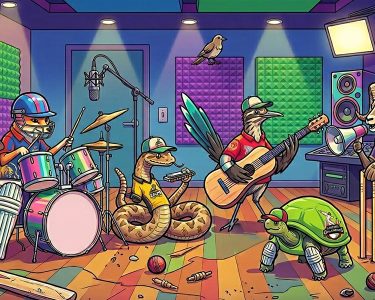
Executive produced by ‘Kamal Khan’ the filmmaker behind the Pasoori music video, so not exactly a rookie. This new project abandons the “one unifying creative vision” model that made Coke Studio famous. Instead of a house band shaping every track, six songs were made independently by different pairings of artists and producers, each free to chase their own sound rather than fold into one. Kamal Khan summed it up as a way to mirror how artists make music on laptops, in bedrooms, releasing it themselves. So the platform had to mirror that, not force it into a studio. The lineup reads like a Spotify Wrapped for anyone under 25. Asim Azhar, Hasan Raheem, Shae Gill, Young Stunners, Maanu, Afusic and a few viral newcomers were picked. Partly through an open portal which received thousands of submissions from across Pakistan.
The Debut Heard Around Twitter
The first track “Dil” dropped in early September, featuring viral sensations Afusic and Ali Soomro alongside newcomer Zoha Waseem, and landed with what can be called a split decision. Some listeners were thrilled, flooding timelines with all caps excitement over Zoha Waseem’s vocals. Others were considerably less kind, one comment being a particularly savage one that publicly wondered how Coke Studio had pulled off getting a mediocre song out of two genuinely talented artists. Many of the pushback was not really about the song itself but comparison. Viewers were comparing Nu.WAV to Coke Studio, not as a separate, deliberately different platform, but a spinoff show.
A Side Plot
As if a divided fanbase wasn’t enough. The new platform also found itself at the centre of unrelated criticism when a Pakistani actress Naeema Butt publically criticised the association with Coca-Cola due to its alleged ties to the Israel-Gaza conflict, arguing Pakistan’s musical talent, does not need a multinational’s platform to shine. It is a separate conversation from whether the music is good but it is a reminder that in 2026, no brand campaign exists in a bubble, no matter how good the soundtrack is.
Two Weeks Later: Enters “Rangeen”
Nu.WAV dropped it’s second track “Rangeen” pairing Hasan Raheem with Izz Chughtai, on a beat produced by Umair. Reportedly born from a melody that came together almost by accident on a drive home. It leans into youthful romance and longing with a lighter, brighter touch than “Dil” suggesting the platform might need a few songs to find its footing.
The Marketing Lesson Hiding in the Backlash
Here’s the part worth stealing for any brand watching this unfold. Coke Studio didn’t play it safe. They took a risk with a franchise people are fiercely protective of. The first reaction wasn’t universal love, but debate, comparison, outright rejection. Debate is not the same thing as failure. A platform that was designed to sound like scattered bedroom production, made by people who grew up self releasing was rarely going to land as a universally loved moment on day one. It was always going to be messy and divisive than a polished house band because that is the creativity they are betting on.
Whether Nu.WAV becomes a beloved new era or a one season experiment quietly retired next year is genuinely still up in the air. But say this for Coke Studio after 15 seasons of a working formula, they had the guts to do it anyway.
That’s either visionary or reckless. Ask again in six months.